
Urinary incontinence is a common condition that affects millions of people, causing them to accidentally leak urine. While it can be an embarrassing and uncomfortable issue, it's important to remember that urinary incontinence is not a normal part of aging and can often be treated or managed effectively.
Urinary incontinence occurs when the complex system of muscles and nerves that control the bladder and urethra do not function properly, leading to involuntary urine leakage. This can happen for a variety of reasons, including weakened pelvic floor muscles, nerve damage, infections, or certain medications.
What is Urinary Incontinence?
Urinary incontinence is the involuntary leakage of urine. It happens when you lose control of your bladder, causing urine to leak unexpectedly. This can range from a few drops of urine to a complete emptying of the bladder.
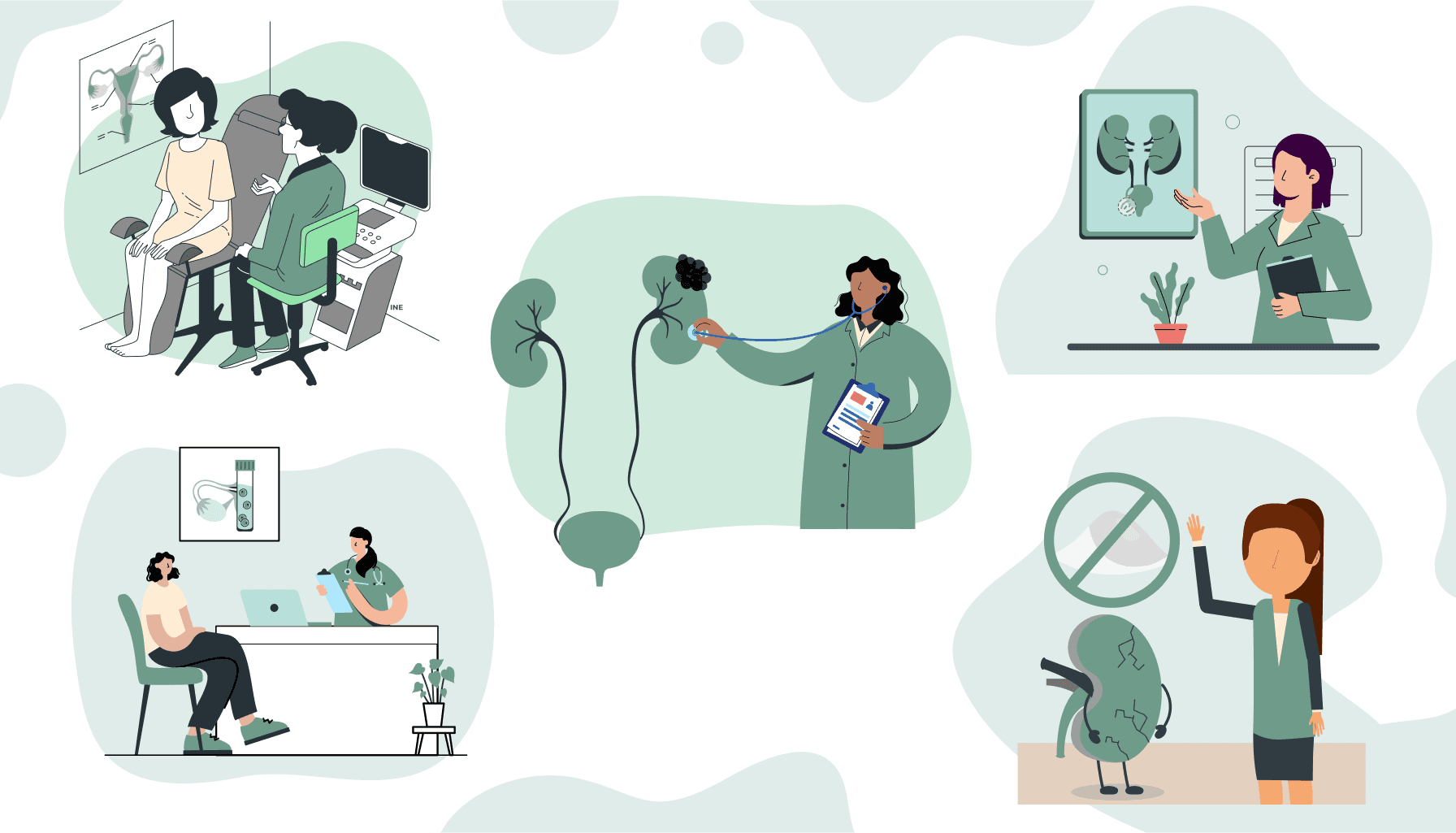
The urinary system is designed to store and release urine in a controlled manner. The kidneys filter waste and excess water from the blood, producing urine that travels down the ureters to the bladder. The bladder, a muscular sac, stores the urine until it's full enough to trigger the urge to urinate. At this point, the brain signals the bladder muscles to contract and the sphincter muscles to relax, allowing urine to flow out through the urethra.
Urinary incontinence occurs when there is a disruption in this process. This can happen due to:
- Weakened pelvic floor muscles: These muscles support the bladder and urethra. When they become stretched or weakened, they may not be able to keep the urethra closed, leading to leaks.
- Overactive bladder muscles: If the bladder muscles contract involuntarily, even when the bladder isn't full, it can cause a sudden, strong urge to urinate that's difficult to control.
- Nerve damage: Nerves that control the bladder and sphincter muscles can be damaged by conditions such as diabetes, Parkinson's disease, or spinal cord injuries, leading to incontinence.
There are several different types of urinary incontinence, each with its own unique characteristics:
- Stress incontinence: Leakage that occurs during physical activity or movements that put pressure on the bladder, such as coughing, sneezing, laughing, or lifting heavy objects.
- Urge incontinence: A sudden, intense urge to urinate followed by an involuntary loss of urine. This is often associated with overactive bladder syndrome.
- Overflow incontinence: Frequent or constant dribbling of urine due to an inability to empty the bladder completely.
- Mixed incontinence: A combination of stress and urge incontinence symptoms.

What Causes Urinary Incontinence in Women?
Women are more likely to have stress incontinence. Some of the most common causes of urinary incontinence in women include:
Pregnancy and childbirth: During pregnancy, the growing uterus puts pressure on the bladder, which can lead to stress incontinence. Vaginal delivery can also weaken or damage the pelvic floor muscles and nerves, increasing the risk of incontinence.
Menopause: The drop in estrogen levels that occurs during menopause can cause the pelvic floor muscles to weaken, leading to stress incontinence and urge incontinence.
Hysterectomy: Removal of the uterus can sometimes damage the pelvic floor muscles and nerves, leading to incontinence.
Other factors that can contribute to urinary incontinence in women include:
- Obesity: Excess weight puts additional pressure on the bladder and pelvic floor muscles.
- Urinary tract infections (UTIs): Inflammation and irritation caused by UTIs can lead to temporary incontinence.
- Certain medications: Some medications, such as diuretics and antidepressants, can cause or worsen incontinence.
- Neurological disorders: Conditions that affect nerve function, such as multiple sclerosis or Parkinson's disease, can disrupt bladder control.
It's important to note that while these factors increase the risk of urinary incontinence, not all women who experience them will develop the condition. Likewise, some women may develop incontinence without any identifiable risk factors.
What are the Symptoms of Urinary Incontinence?
The symptoms of urinary incontinence can vary depending on the type and severity of the condition. Some common signs and symptoms include:
- Leaking urine during physical activity: If you experience urine leakage when you cough, sneeze, laugh, or exercise, you may have stress incontinence.
- Sudden, intense urge to urinate: A strong, difficult-to-control urge to urinate, followed by involuntary urine loss, is a hallmark of urge incontinence.
- Frequent urination: Needing to urinate much more often than usual, typically more than eight times per day, can be a sign of an overactive bladder or overflow incontinence.
- Constant dribbling of urine: If you experience a constant or frequent dribbling of urine, you may have overflow incontinence, which occurs when the bladder doesn't empty completely.
- Urine leakage without warning: Involuntary urine loss without any prior sensation of the need to urinate can be a sign of a more severe form of incontinence or an underlying neurological condition.
In addition to these primary symptoms, urinary incontinence can also lead to secondary issues such as:
- Skin irritation or rashes: Constant exposure to urine can cause skin breakdown and increase the risk of infections.
- Urinary tract infections: Incomplete bladder emptying or the use of certain incontinence management devices, such as catheters, can increase the risk of UTIs.
- Emotional distress: The fear of urine leakage and odor can lead to anxiety, embarrassment, and social isolation.
If you experience any symptoms of urinary incontinence, it's essential to consult with a healthcare provider. They can help determine the type and cause of your incontinence and recommend an appropriate treatment plan to manage your symptoms and improve your quality of life.
How is Urinary Incontinence Diagnosed?
Diagnosing urinary incontinence involves a comprehensive evaluation by a healthcare provider. This process typically begins with a thorough medical history review and physical examination. Your doctor will ask questions about your symptoms, their frequency and severity, and any factors that seem to trigger urine leakage. They may also inquire about your fluid intake, bowel habits, and any medications you're taking.
During the physical exam, your doctor will assess your pelvic floor muscle strength and look for any signs of nerve damage or anatomical abnormalities that could be contributing to your incontinence. They may also perform a simple cough test to check for stress incontinence.
Additional diagnostic tests may include:
- Urinalysis and urine culture: These lab tests can help identify any infections or abnormalities in your urine that may be causing or exacerbating your incontinence.
- Bladder diary: Your doctor may ask you to keep a detailed log of your fluid intake, urination frequency, and any episodes of incontinence over several days. This information can help identify patterns and potential triggers for your symptoms.
- Urodynamic testing: This series of tests evaluates how well your bladder and urethra are storing and releasing urine. It can help identify any underlying problems with bladder function or capacity.
- Cystoscopy: In some cases, your doctor may recommend a cystoscopy, which involves inserting a thin, flexible tube with a camera into your urethra and bladder. This allows them to examine the inside of your urinary tract for any abnormalities or signs of damage.
By combining the information gathered from your medical history, physical exam, and any necessary diagnostic tests, your healthcare provider can determine the type and cause of your urinary incontinence and develop an individualized treatment plan to manage your symptoms.

What Lifestyle Changes Can Help Manage Urinary Incontinence?
In many cases, making simple lifestyle changes can significantly improve urinary incontinence symptoms. Some effective strategies include:
- Pelvic floor exercises: Regularly performing Kegel exercises can help strengthen the muscles that support your bladder and urethra, improving your ability to control urine flow. To do a Kegel, contract your pelvic floor muscles (as if you're trying to stop urinating midstream) for 5-10 seconds, then relax for 5-10 seconds. Repeat this 10-15 times, 3-4 times a day.
- Bladder training: This technique involves gradually increasing the intervals between urination to help retrain your bladder to hold more urine. Start by urinating on a regular schedule, such as every 30 minutes, regardless of whether you feel the urge. Then, slowly increase the time between bathroom visits by 15-minute increments until you're able to go 2-4 hours without leaking.
- Maintaining a healthy weight: Excess body weight can put additional pressure on your bladder and pelvic floor muscles, exacerbating incontinence. Losing weight through a balanced diet and regular exercise can help alleviate symptoms.
- Managing fluid intake: While it's important to stay hydrated, consuming large amounts of fluids, especially caffeine and alcohol, can worsen incontinence. Try to spread your fluid intake evenly throughout the day, and limit beverages in the evening to reduce nighttime accidents.
- Quitting smoking: Smoking can cause chronic coughing, which can put stress on your pelvic floor muscles and lead to urine leakage. Quitting smoking can help reduce this risk and improve your overall health.
- Avoiding bladder irritants: Certain foods and beverages, such as spicy foods, citrus fruits, and carbonated drinks, can irritate your bladder and increase the urge to urinate. Keeping a food diary can help you identify any potential triggers to avoid.
Incorporating these lifestyle changes into your daily routine can help you better manage your urinary incontinence symptoms and improve your quality of life. However, it's important to remember that these strategies may not work for everyone, and some individuals may require additional medical treatment to achieve optimal results.
What Medical Treatments are Available for Urinary Incontinence?
When lifestyle changes alone are not enough to manage urinary incontinence, several medical treatment options are available. The most appropriate treatment will depend on the type and severity of your incontinence, as well as your overall health and personal preferences. Some common medical treatments include:
- Medications: Depending on the type of incontinence, your doctor may prescribe medications to help relax your bladder muscles, increase bladder capacity, or tighten your sphincter muscles. These may include anticholinergics, beta-3 agonists, or alpha-adrenergic agonists.
- Topical estrogen: For postmenopausal women with stress incontinence or urge incontinence, applying low-dose estrogen directly to the vaginal tissue can help improve pelvic floor muscle tone and reduce irritation.
- Pessaries: These small, removable devices are inserted into the vagina to provide support to the pelvic organs and help prevent urine leakage. They are often used to treat stress incontinence in women.
- Urethral inserts: Similar to pessaries, these disposable, tampon-like devices are inserted into the urethra before physical activity to prevent stress incontinence.
- Botox injections: In some cases, injecting botulinum toxin (Botox) into the bladder muscle can help relax overactive muscles and reduce urge incontinence.
- Nerve stimulation: Techniques such as percutaneous tibial nerve stimulation (PTNS) or sacral neuromodulation involve stimulating the nerves that control bladder function to help improve symptoms of urge incontinence.
- Surgery: For severe cases of stress incontinence that do not respond to conservative treatments, surgical procedures such as a sling procedure or bladder neck suspension can help provide additional support to the urethra and prevent leakage.
Your healthcare provider will work closely with you to determine the most appropriate treatment plan based on your individual needs and goals. In many cases, a combination of lifestyle changes and medical treatments may be recommended for optimal results. It's important to discuss the potential benefits and risks of each option with your doctor before making a decision.