
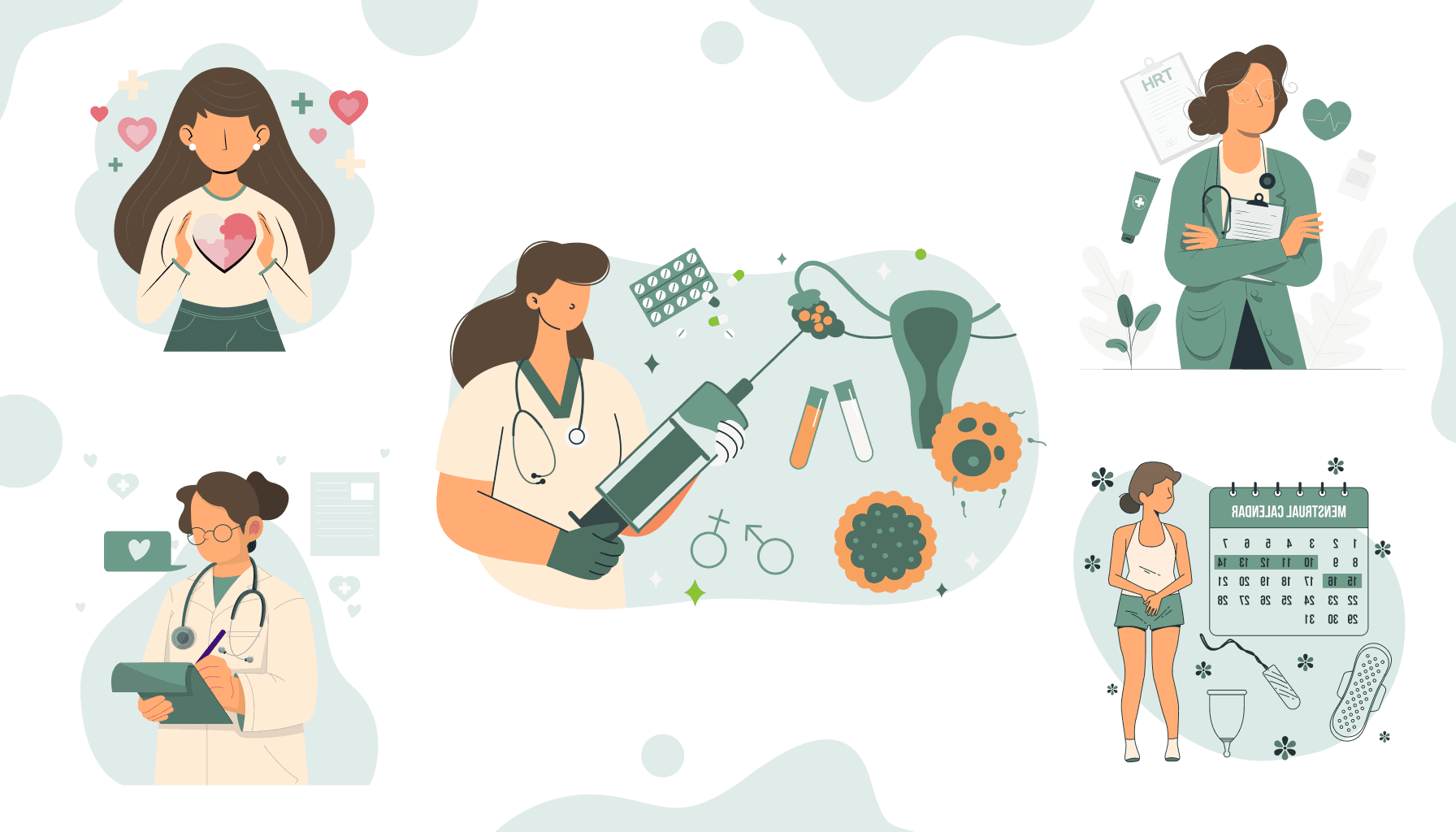
Menopause is a big change that signals the end of your reproductive years. While it's a natural part of getting older, going through menopause can be tough. You might have a lot of physical and emotional symptoms that affect your daily life. As you navigate this new chapter, it's important to understand the stages of menopause, common symptoms, and the different treatment options available to help you manage your well-being.
During this transformative time, learning about the changes your body is going through and finding personalized solutions can help you face menopause with confidence and grace. By working closely with your healthcare provider and making self-care a priority, you can find the support and relief you need to thrive during this important milestone.
Understanding the Stages of Menopause
Menopause happens gradually in several distinct stages, each with its own hormonal shifts and symptoms:
- Perimenopause: The transitional phase leading up to menopause, with hormonal ups and downs and irregular periods. This stage can start in your late 30s or early 40s and last for several years.
- Menopause: Officially diagnosed after 12 months in a row without a period, marking the end of your reproductive years. The average age of menopause is 51, but it can happen earlier or later.
- Postmenopause: The time after menopause, when symptoms may continue and long-term health considerations become important. This stage covers the rest of your life after menopause.
Common Symptoms During Perimenopause and Menopause
As estrogen levels go up and down and then decline, you may have a range of physical and emotional symptoms, including:
- Hot flashes and night sweats
- Mood changes, like irritability and anxiety
- Sleep problems and insomnia
- Vaginal dryness and discomfort during sex
- Urinary issues, like having to go more often or leaking
- Changes in sex drive and sexual function
How bad and how long these symptoms last can be very different from woman to woman. Some have mild discomfort while others have major disruptions to their daily lives.

Hormone Replacement Therapy: A Personalized Approach
Hormone Replacement Therapy (HRT) is a highly effective treatment option for managing menopausal symptoms and preventing long-term health risks associated with low estrogen. By bringing the body's estrogen and progesterone levels back up, HRT can ease many of the most common and bothersome symptoms of menopause.
HRT comes in different formulations and delivery methods, so it can be tailored to each woman's unique needs and preferences:
- Estrogen therapy: Relieves menopausal symptoms and prevents bone loss. Available in pills, patches, vaginal rings, gels, or sprays.
- Progesterone therapy: Needed for women with a uterus to protect against endometrial cancer. Can be prescribed separately or combined with estrogen in pills or patches.
- Combination therapy: Tailored to individual needs and medical history, providing the benefits of both estrogen and progesterone.
- Low-dose options for symptom relief with minimal risks, allowing women to find the best balance for their well-being.
Benefits and Risks of Hormone Replacement Therapy
HRT offers many benefits for menopausal women, including:
- Effective relief from hot flashes, night sweats, and vaginal dryness: HRT can greatly reduce how often and how severe these common symptoms are, improving quality of life.
- Reduced risk of osteoporosis and related fractures: Estrogen helps keep bones strong, lowering the risk of osteoporosis and fractures in postmenopausal women.
But like any medical treatment, HRT also has some risks, such as:
- Potential increased risk of blood clots, stroke, and certain cancers: While these risks are relatively low, they should be carefully considered and talked about with a healthcare provider.
- Importance of individualized risk assessment and monitoring: The decision to use HRT should be based on a thorough look at a woman's personal and family medical history, as well as regular check-ins to make sure it's safe and effective.
Non-Hormonal Treatment Options for Menopause Symptoms
For women who prefer not to use hormones or have medical reasons not to, there are several non-hormonal options for managing menopausal symptoms:
- Lifestyle changes: Eating a healthy diet full of whole foods, exercising regularly, and managing stress with techniques like meditation or yoga can help ease symptoms and improve overall well-being. In fact, regular physical activity can reduce hot flashes by up to 45%.
- Alternative therapies: Acupuncture, herbal remedies, and supplements may provide relief for some women. But it's important to be cautious with these options and always check with a healthcare provider to make sure they're safe and won't interact with other medications.
- Medications: Low-dose antidepressants, like selective serotonin reuptake inhibitors (SSRIs), can be effective in reducing hot flashes. Vaginal moisturizers and lubricants can help with vaginal dryness and discomfort during sex.
- Pelvic floor physical therapy: Specialized physical therapy techniques can help strengthen the pelvic floor muscles, improving urinary symptoms and sexual function.
Enhancing Sexual Wellness During and After Menopause
Menopause can have a big impact on a woman's sexual health and intimacy, but there are many strategies for maintaining and enhancing sexual wellness during this time:
- Open communication with partners: Talking about concerns, desires, and boundaries with a partner can build understanding and help couples navigate changes in sexual function and intimacy.
- Prioritizing self-care and body acceptance: Doing things that promote self-love, body positivity, and confidence can help women feel more comfortable and empowered in their sexuality.
- Exploring new forms of intimacy: Focusing on emotional connection, sensual touch, and non-penetrative sexual activities can help couples stay close and find pleasure, even if vaginal intercourse is uncomfortable or challenging.
- Seeking professional support: Sex therapists, counselors, and healthcare providers specializing in sexual health can offer guidance and treatment options for addressing sexual concerns related to menopause.

Skin and Gut Health: A Holistic Approach to Menopausal Well-being
Menopause can also affect skin health and gut function, but a holistic approach can help women maintain a healthy, vibrant appearance and optimize digestive wellness:
- Nourishing the skin from within: Eating a diet rich in antioxidants, healthy fats, and collagen-boosting nutrients can help support skin elasticity, hydration, and radiance during menopause.
- Adapting skincare routines: Using gentle, moisturizing products and adding ingredients like retinol, hyaluronic acid, and ceramides can help address age-related skin concerns and maintain a healthy, glowing complexion.
- Supporting gut health: Eating a fiber-rich diet, staying hydrated, and adding probiotic-rich foods or supplements can help promote healthy digestion and ease common menopausal digestive issues like bloating and constipation.
- Managing stress for overall well-being: Chronic stress can make skin and gut issues worse during menopause. Doing stress-reducing practices like mindfulness, deep breathing, and regular exercise can help support overall health and vitality.
By taking a comprehensive, holistic approach to menopausal well-being—one that addresses hormonal balance, sexual wellness, skin health, and gut function—you can navigate this transformative journey with greater ease and confidence. Working closely with healthcare providers and making self-care, education, and open communication a priority can help ensure a smooth and empowering transition into this new chapter of life.
Is Bioidentical Hormone Therapy the Best Option for Managing Menopause Symptoms?
When exploring hormone therapy options for menopause symptom relief, you may come across the term "bioidentical hormones." Bioidentical hormones are man-made hormones that have the same molecular structure as the hormones naturally produced by your body. They're often marketed as a safer, more natural alternative to conventional hormone therapy.
Bioidentical hormones can be made from plant sources, like yams or soybeans, and are available in various forms, including pills, patches, creams, gels, and pellets. Some bioidentical hormone products are FDA-approved and commercially available, while others are custom-made by compounding pharmacies based on a healthcare provider's prescription.
Potential Benefits of Bioidentical Hormone Therapy
Proponents of bioidentical hormone therapy claim that it offers several advantages over conventional hormone therapy, such as:
- More precise dosing: Compounded bioidentical hormones can be customized to a woman's individual hormone levels and needs, potentially providing more targeted symptom relief.
- Fewer side effects: Some women report experiencing fewer side effects with bioidentical hormones compared to conventional hormone therapy, possibly due to the personalized dosing and natural ingredients.
- Improved overall well-being: Bioidentical hormones may help women feel more balanced and vibrant during menopause, thanks to the restoration of hormonal equilibrium.
Risks and Considerations
Despite the potential benefits, it's important to approach bioidentical hormone therapy with caution and under the guidance of a qualified healthcare provider. Some key considerations include:
- Limited scientific evidence: While some studies suggest bioidentical hormones may be effective for menopause symptom relief, more research is needed to fully understand their long-term safety and efficacy compared to conventional hormone therapy.
- Lack of FDA oversight for compounded products: Custom-made bioidentical hormones from compounding pharmacies are not regulated by the FDA, which means their safety, purity, and potency cannot be guaranteed.
- Potential for overdosing or underdosing: Without proper monitoring and adjustment by a healthcare provider, women using compounded bioidentical hormones may be at risk for receiving too much or too little of a particular hormone, which can lead to unwanted side effects or inadequate symptom relief.
Making an Informed Decision
Ultimately, the decision to use bioidentical hormone therapy for menopause symptom management should be made in close collaboration with a healthcare provider who specializes in women's health and hormone therapy. They can help you weigh the potential benefits and risks, monitor your hormone levels and symptoms, and adjust your treatment plan as needed to ensure safe and effective care.
Remember, every woman's menopause experience is unique, and what works for one may not work for another. By staying informed, advocating for your health, and working with a trusted healthcare team, you can find the best approach to manage your symptoms and maintain optimal well-being during this transformative time.