
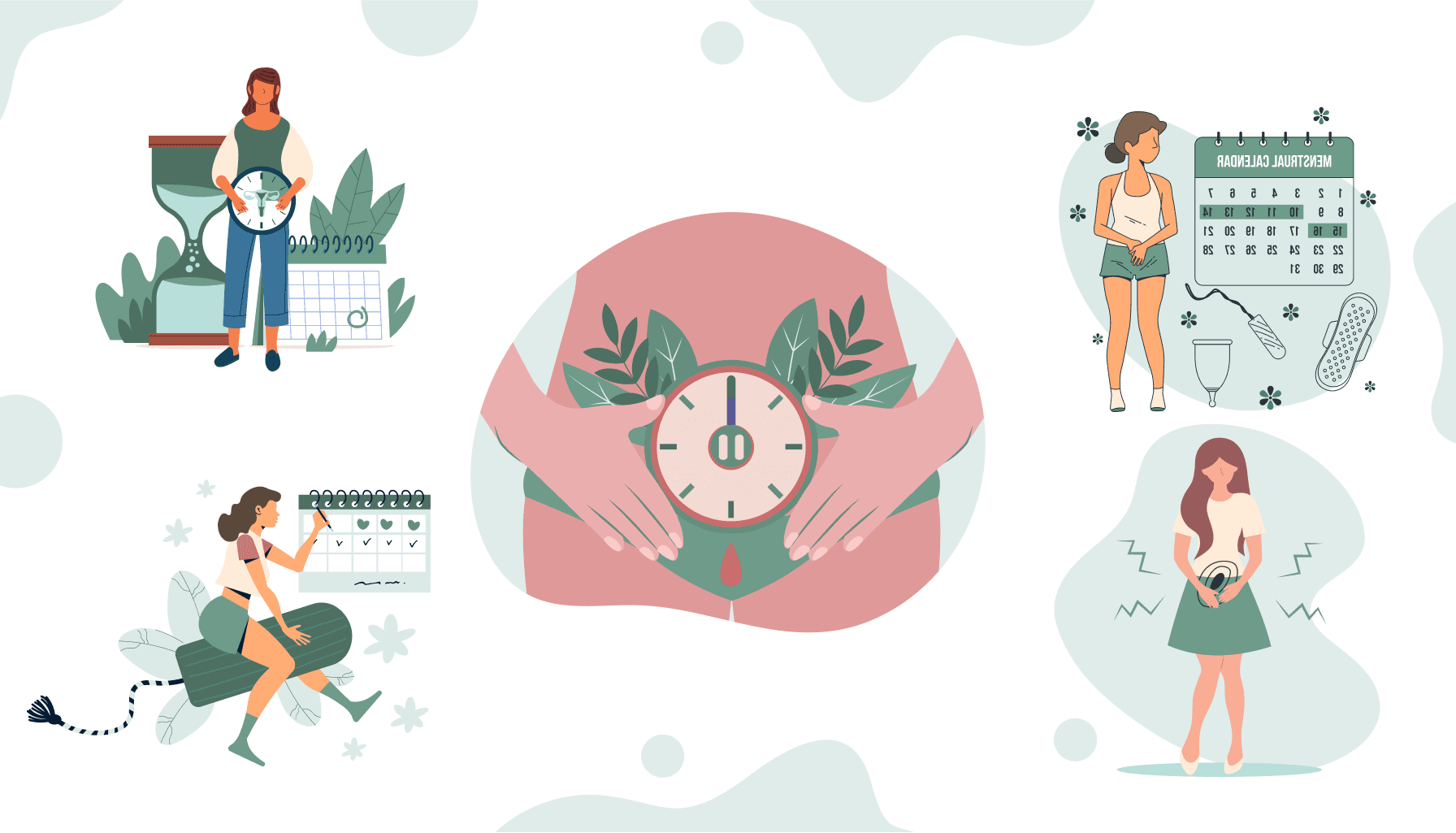
Menopause is a significant transition that marks the end of your reproductive years. While it's a natural biological process, the journey through menopause can be challenging, with a wide range of physical and emotional symptoms that can impact your daily life. As you navigate this new chapter, you need to understand the changes your body is undergoing and make informed decisions about your health and well-being.
At this pivotal moment, arming yourself with knowledge is key to embracing the menopause transition with confidence and grace. Learning about the signs, symptoms, and available treatment options lets you take control of your menopause experience and maintain optimal health during this transformative time.
Understanding Menopause: A Natural Transition
Menopause typically occurs between the ages of 45 and 55, with the average age being 51. It's officially diagnosed after 12 consecutive months without a menstrual period, signifying the end of your reproductive capability. The transition to menopause, known as perimenopause, can last several years, during which time your body undergoes significant hormonal changes.
As you approach menopause, your ovaries gradually produce less estrogen and progesterone, the primary female reproductive hormones. This shift in hormone levels can lead to a variety of symptoms, some of which may be more pronounced or disruptive than others. Remember that every woman's menopause experience is unique, and there's no one-size-fits-all approach to managing the transition.
While the physical changes of menopause can be challenging, view this time as an opportunity for self-discovery and personal growth. Prioritizing your health and well-being lets you navigate the menopause journey with resilience and emerge with a renewed sense of purpose and vitality.

Recognizing the Signs and Symptoms of Menopause
The hormonal fluctuations associated with menopause can manifest in a wide range of physical and emotional symptoms. Some of the most common signs of menopause include:
Physical Changes
- Irregular periods, including changes in frequency, duration, and flow: As your body adjusts to shifting hormone levels, your menstrual cycle may become unpredictable, with periods occurring more or less frequently, lasting longer or shorter than usual, or being heavier or lighter in flow.
- Hot flashes and night sweats: These sudden, intense sensations of heat, often accompanied by flushing and sweating, are among the most well-known symptoms of menopause. Night sweats are hot flashes that occur during sleep, potentially disrupting your rest and leading to fatigue.
- Vaginal dryness and discomfort: Declining estrogen levels can cause the vaginal tissues to become thinner, drier, and less elastic, which may result in discomfort, itching, or pain during intercourse.
- Sleep disturbances and insomnia: Many women experience difficulty falling asleep, staying asleep, or achieving restful sleep during menopause, which can contribute to daytime fatigue and mood changes.
- Weight gain and slowed metabolism: Hormonal changes, coupled with age-related decreases in muscle mass, can lead to weight gain and a slower metabolism, making it more challenging to maintain a healthy weight.
Emotional and Cognitive Symptoms
- Mood changes, such as irritability, anxiety, or depression: The hormonal shifts of menopause can affect your emotional well-being, leading to increased moodiness, feelings of anxiety, or even episodes of depression.
- Memory lapses and difficulty concentrating: Some women report experiencing "brain fog" during menopause, which may manifest as forgetfulness, trouble focusing, or difficulty processing information.
- Decreased libido or changes in sexual response: Hormonal changes can impact your sexual wellness, potentially leading to a reduced interest in sex or difficulty achieving orgasm.
Remember that while these symptoms are common, not every woman will experience all of them, and the severity can vary greatly from person to person. If you find that your symptoms are significantly impacting your quality of life, consult with a healthcare provider who specializes in menopause management.
Hormone Replacement Therapy: Weighing the Benefits and Risks
Hormone Replacement Therapy (HRT) is a treatment option designed to alleviate the symptoms of menopause by replenishing your body's estrogen and, in some cases, progesterone levels. Restoring hormonal balance with HRT can effectively manage many of the disruptive symptoms associated with menopause, allowing you to maintain your quality of life during this transitional period.
The potential benefits of HRT are numerous and can have a profound impact on your physical and emotional well-being. These benefits may include:
- Significant relief from hot flashes and night sweats: HRT can dramatically reduce the frequency and intensity of these vasomotor symptoms, providing much-needed comfort and improving sleep quality.
- Improved vaginal health and reduced discomfort: Restoring estrogen levels with HRT can help maintain the thickness, elasticity, and lubrication of the vaginal tissues, alleviating dryness, itching, and pain during intercourse.
- Protection against bone loss and osteoporosis: Estrogen plays a crucial role in maintaining bone density, and HRT can help prevent the accelerated bone loss that often occurs during menopause, reducing the risk of fractures and osteoporosis.
However, as with any medical treatment, HRT also carries potential risks that you must carefully consider. Some of the risks associated with HRT include:
- Increased risk of blood clots, stroke, and certain cancers: Studies have shown that HRT, particularly when taken orally, may slightly increase the risk of developing blood clots, stroke, and certain types of cancer, such as breast cancer, in some women.
- Potential side effects: Some women may experience side effects while using HRT, such as breast tenderness, bloating, or irregular bleeding, although these often subside with time or adjustments to the treatment regimen.
Make the decision to use HRT in close consultation with a healthcare provider who specializes in menopause management. Your provider will carefully assess your individual health history, risk factors, and personal preferences to determine whether HRT is appropriate for you and, if so, which type and route of administration would be most beneficial.
The risk-benefit profile of HRT can vary depending on factors such as your age, time since menopause, and personal and family medical history. In general, the benefits of HRT tend to outweigh the risks for women who start treatment within 10 years of menopause onset or before the age of 60, and who use the lowest effective dose for the shortest duration necessary to manage their symptoms.
Ultimately, the choice to pursue HRT is a highly personal one that requires careful consideration and open communication with your healthcare provider. Weigh the potential benefits and risks, and tailor a treatment plan to your unique needs and goals to make an informed decision about whether HRT is right for you as you navigate the menopause transition.
Lifestyle Strategies for Managing Menopause Symptoms
In addition to considering hormone replacement therapy, adopting healthy lifestyle strategies can play a significant role in managing menopause symptoms and promoting overall well-being during this transitional period. Make targeted changes to your diet, exercise routine, and stress management practices to help alleviate discomfort and enhance your quality of life.
Healthy Diet and Exercise
- Maintain a balanced diet rich in fruits, vegetables, whole grains, and lean proteins: Eating a nutrient-dense diet can help support bone health, maintain a healthy weight, and provide the energy needed to navigate the challenges of menopause.
- Limit caffeine, alcohol, and spicy foods, which can trigger hot flashes: Certain foods and beverages may exacerbate vasomotor symptoms, so be mindful of your triggers and make adjustments as needed.
- Engage in regular physical activity to maintain a healthy weight, improve sleep, and boost mood: Exercise can help combat weight gain, reduce stress, and promote better sleep, all of which can contribute to a more positive menopause experience.
Stress Reduction Techniques
- Practice relaxation techniques such as deep breathing, meditation, or yoga: Incorporating stress-reducing activities into your daily routine can help manage mood swings, anxiety, and sleep disturbances associated with menopause.
- Prioritize self-care activities that promote mental and emotional well-being: Taking time for yourself, whether through hobbies, social connections, or personal reflection, can help foster resilience and emotional balance during this time of change.
- Seek support from friends, family, or a professional counselor if needed: Building a strong support network and reaching out for help when necessary can be invaluable in navigating the challenges of menopause.

Empowering Women Through Education and Open Communication
One of the most important aspects of managing menopause is empowering yourself through education and open communication. Stay informed about the changes your body is undergoing and the available treatment options to make proactive choices about your health and well-being.
This process begins with seeking out reliable, evidence-based information from trusted sources, such as healthcare providers, professional organizations, and reputable websites. Attend educational events, read books and articles, and engage in discussions with other women who are navigating the menopause journey.
Open communication is also essential, both with your healthcare provider and your loved ones. Don't hesitate to ask questions, express your concerns, and advocate for your needs. Foster an open dialogue to work collaboratively with your healthcare team and develop a personalized treatment plan that aligns with your goals and values.
Moreover, talking openly about your menopause experience with friends, family, and colleagues can help break down the stigma and silence that often surround this topic. Share your story and support others in their journey to contribute to a growing community of empowered women who are redefining what it means to navigate menopause with confidence and grace.
Embracing the Next Chapter: Life After Menopause
While the transition through menopause can be challenging, remember that this is not an ending, but rather the beginning of a new chapter in your life. As you emerge from the menopause journey, you have the opportunity to redefine your priorities, pursue new passions, and embrace a renewed sense of self.
Many women find that the postmenopausal years bring a newfound sense of freedom, confidence, and self-assurance. With the physical and emotional challenges of menopause behind you, you may discover a greater capacity for self-acceptance, resilience, and personal growth.
This is a time to celebrate your strength, wisdom, and the unique experiences that have shaped you. Embrace the opportunities that this new phase of life presents, whether that means exploring new hobbies, deepening your relationships, or pursuing long-held dreams.
As you navigate life after menopause, continue to prioritize your health and well-being. Stay engaged with your healthcare provider, maintain a healthy lifestyle, and surround yourself with a supportive network of friends and family. Nurture your physical, emotional, and spiritual needs to thrive in this new chapter and make the most of the vibrant years ahead.
Is Hormone Replacement Therapy the Right Choice for You?
Deciding whether to pursue hormone replacement therapy (HRT) is a highly personal choice that requires careful consideration of your individual symptoms, health history, and personal preferences. While HRT can be incredibly effective in managing menopause symptoms and improving quality of life, it's not the right choice for everyone.
To determine if HRT is appropriate for you, start by assessing the severity and impact of your menopause symptoms. If you're experiencing frequent, intense hot flashes, night sweats, or vaginal dryness that significantly disrupt your daily life or interfere with your relationships, HRT may be a viable option to alleviate these symptoms and restore your well-being.
However, if your symptoms are mild or manageable through lifestyle modifications alone, you may choose to forgo HRT and focus on non-hormonal strategies for symptom relief. This may include adjusting your diet, increasing your physical activity, practicing stress-reduction techniques, and using vaginal moisturizers or lubricants to address vaginal dryness.
Your personal and family medical history also play a crucial role in determining whether HRT is right for you. If you have a history of breast cancer, endometrial cancer, blood clots, stroke, or liver disease, HRT may not be recommended, as it could potentially increase your risk of these conditions. Similarly, if you have a family history of these diseases, your healthcare provider may advise against HRT or recommend a lower-dose or shorter-duration treatment plan.
Age and time since menopause are also important factors to consider. The benefits of HRT tend to outweigh the risks for women who start treatment within 10 years of menopause onset or before the age of 60. If you're over 60 or more than a decade past menopause, the risks of HRT may be higher, and your healthcare provider may recommend alternative strategies for managing your symptoms.
Ultimately, the decision to use HRT should be made in close partnership with a healthcare provider who specializes in menopause management. Schedule a comprehensive consultation to discuss your symptoms, health history, and treatment goals. Your provider can help you weigh the potential benefits and risks of HRT, explore alternative options, and develop a personalized treatment plan that aligns with your unique needs and preferences.
If you do choose to pursue HRT, your provider will work with you to determine the most appropriate type, dose, and route of administration for your individual situation. This may involve trying different formulations or adjusting your treatment plan over time to optimize your results and minimize any potential side effects.
Remember that HRT is not a one-size-fits-all solution, and what works for one woman may not work for another. Be open and honest with your healthcare provider about your experiences, concerns, and priorities, and don't hesitate to advocate for your needs throughout the treatment process.
In addition to HRT, your provider may also recommend complementary therapies or lifestyle modifications to help manage your symptoms and support your overall health during the menopause transition. This may include dietary changes, exercise programs, stress management techniques, or non-hormonal medications for specific symptoms.
As you navigate the decision-making process surrounding HRT, be patient with yourself and trust in your ability to make informed choices about your health and well-being. Seek out reliable information, surround yourself with a supportive network, and prioritize open communication with your healthcare provider to ensure that you're receiving the care and guidance you need to thrive during this transformative time.